Injection Molding Technology and Gas-Assisted Injection Molding
Injection molding technology is one of the most widely used methods for the mass production of plastic parts. It enables the production of precise, repeatable, and functional components for both technical and aesthetic applications. For more demanding parts, gas-assisted injection molding, for example using nitrogen, can also be applied. This technology helps reduce sink marks, decrease part weight, and improve dimensional stability.
What is Injection Molding Technology
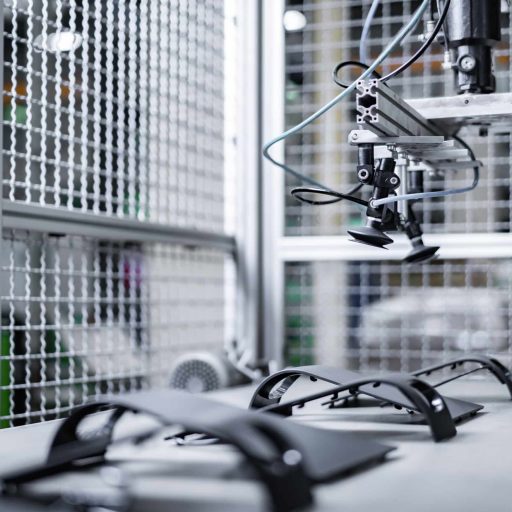
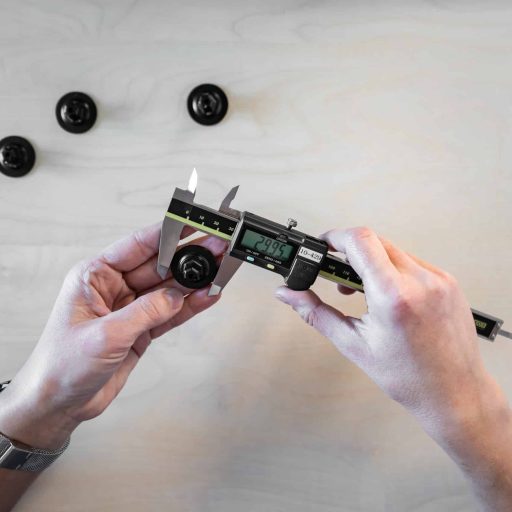
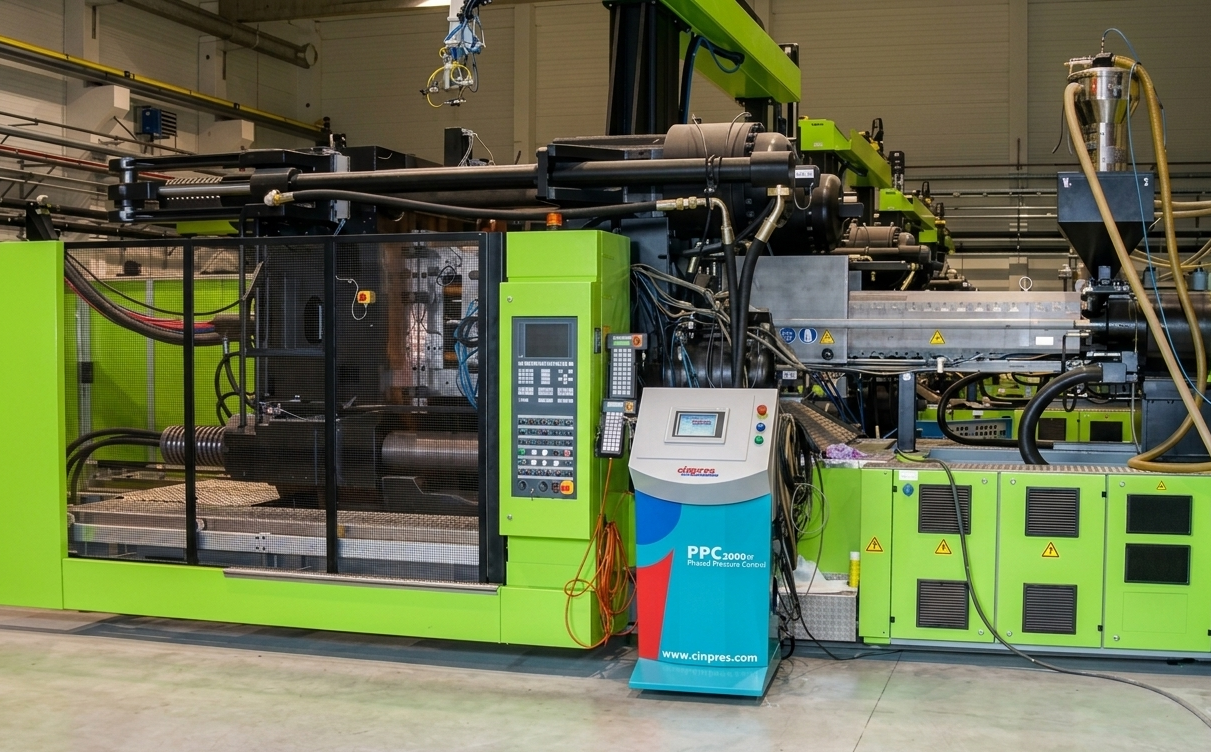
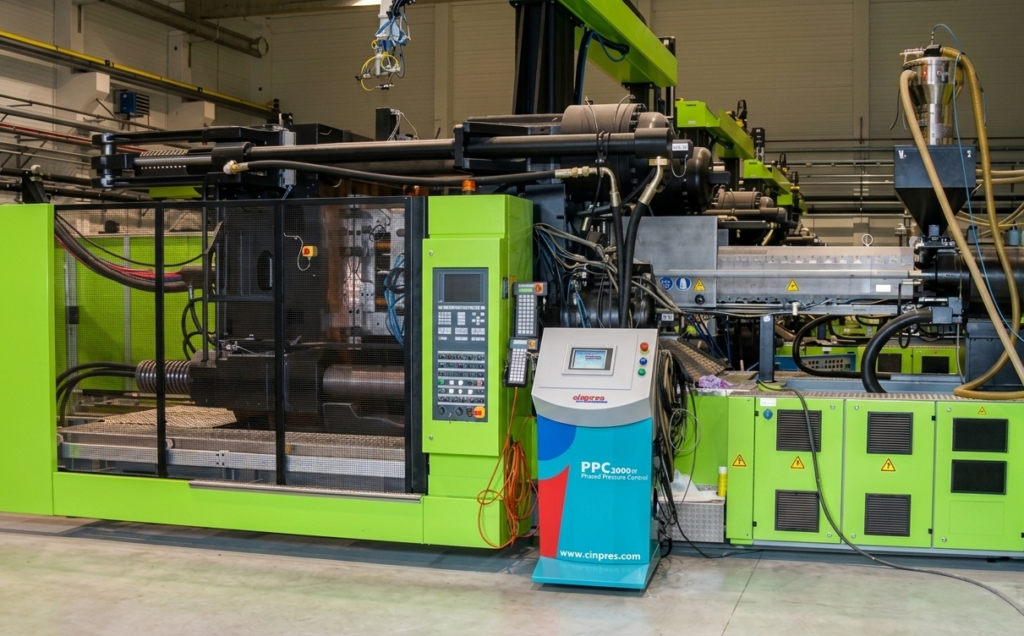
In injection molding, plastic granules are melted in an injection molding machine and then injected under pressure into a closed mold. The mold determines the final shape of the part. After cooling, the finished plastic component is ejected and can proceed to further operations, such as painting, printing, or assembly.
This technology enables the production of plastic parts in large volumes, with high dimensional accuracy and consistent quality.
At OKULA, we specialize in thermoplastic injection molding and surface finishing. We manufacture parts for a wide range of industries, from small products such as closures for medical applications, through visible parts for household appliances, to complex and dimensionally larger components for the automotive sector.
When Gas-Assisted Injection Molding is Suitable
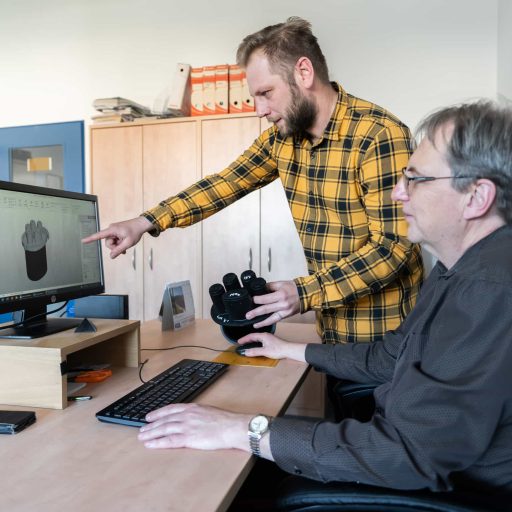
For more complex or dimensionally demanding parts, conventional injection molding may not always be the ideal solution. Therefore, even before the project starts, we use Moldflow analysis (MFA) to evaluate material behavior in the mold and identify potential risks. If the simulation reveals issues such as sink marks or insufficient part stability, we propose the use of gas-assisted injection molding (GIT).
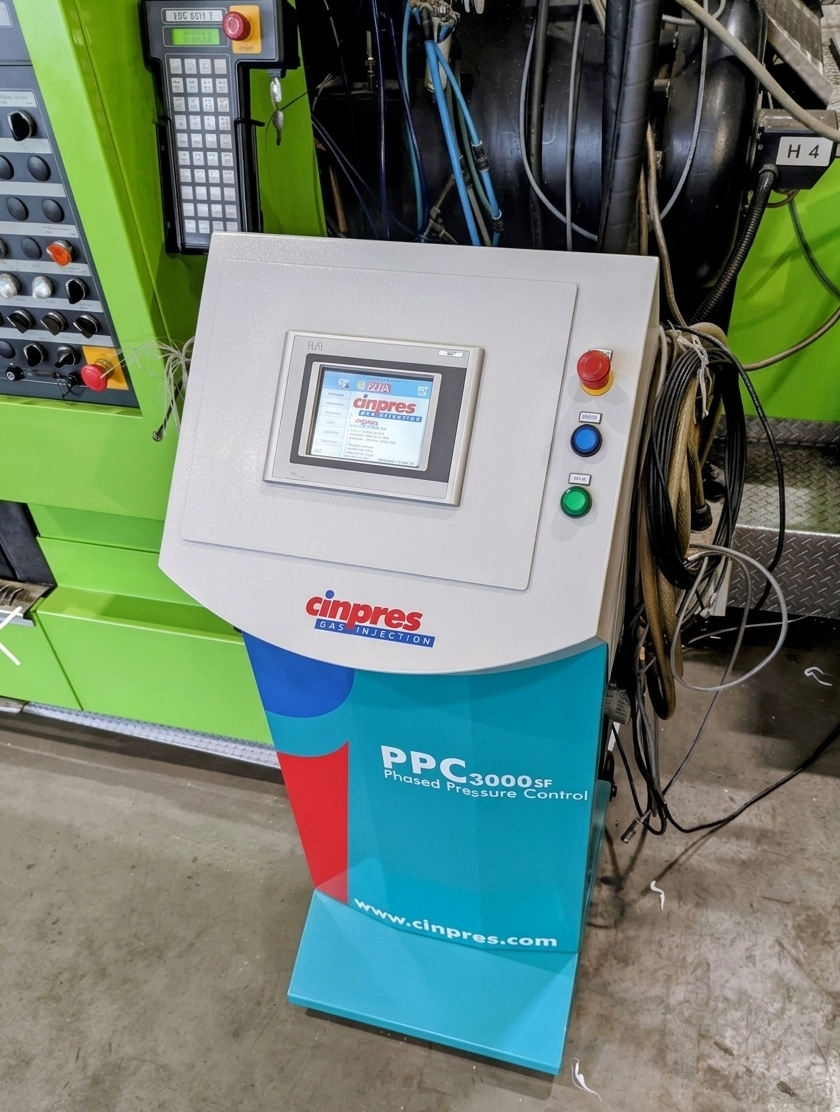
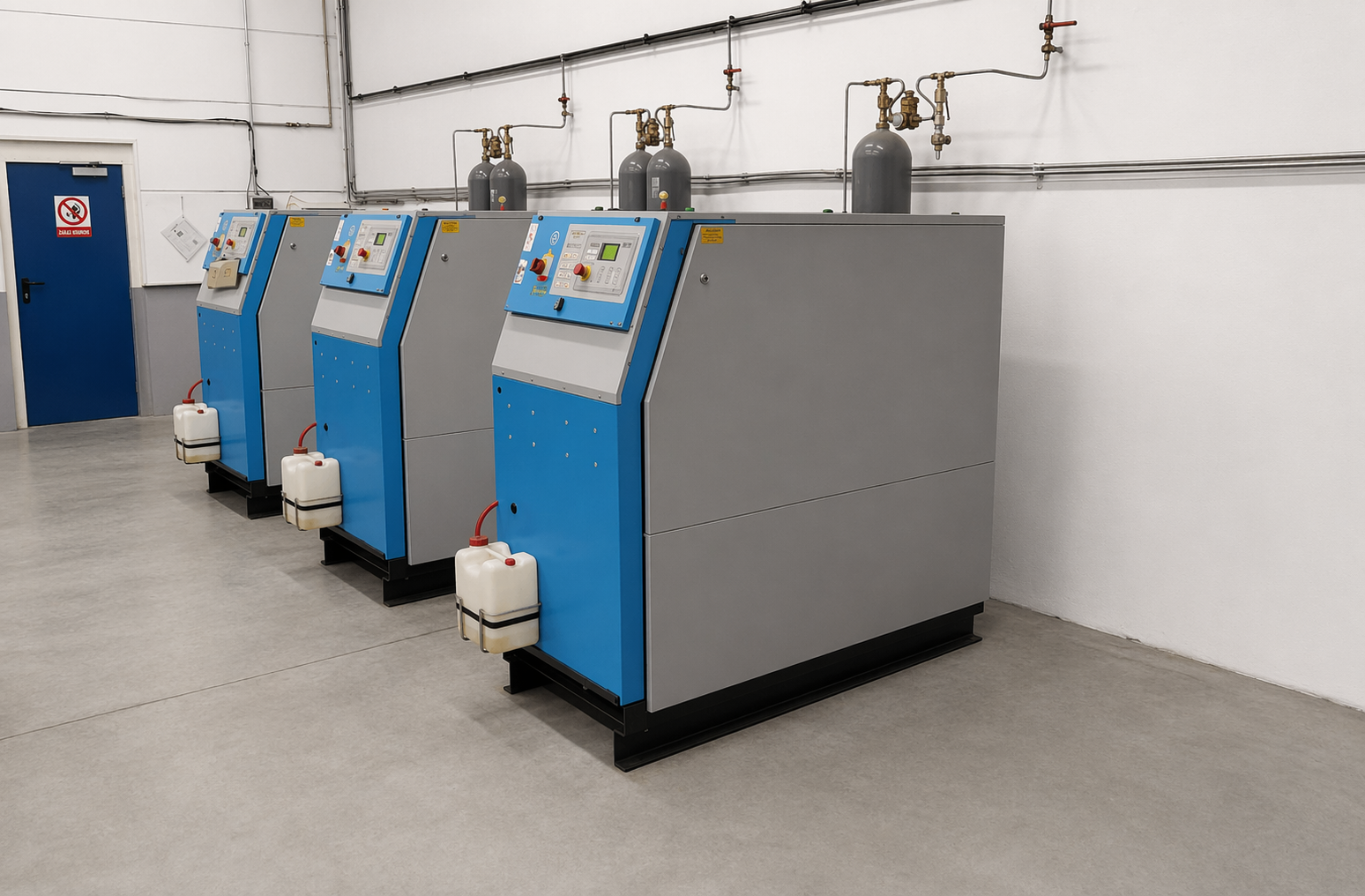
In this process, after partially filling the mold cavity, nitrogen is injected under pressure into the melt. The gas pushes out the still-molten core of the material and creates a hollow channel inside the part. At the same time, the gas acts as internal pressure that helps compensate for material shrinkage during cooling. As a result, sink marks can be minimized, dimensional stability improved, and in some cases part weight reduced.
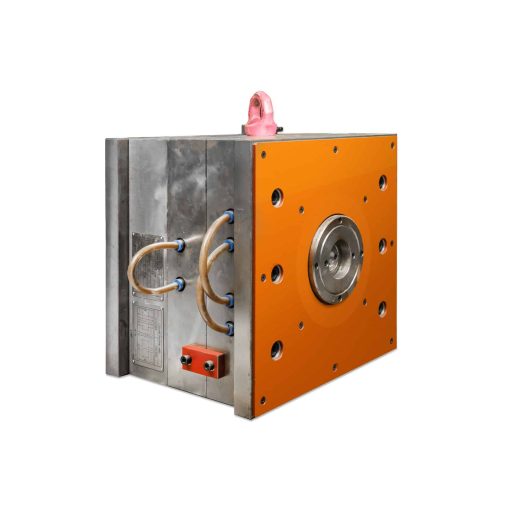
The implementation of this technology requires an appropriate mold design. If the need for GIT is identified only during testing, modifications to the mold or the production of a new one may be necessary. We can assist with redesign and work with reliable partners who can manufacture molds quickly.
Advantages of Gas-Assisted Injection Molding
Gas-assisted injection molding is not a universal replacement for conventional injection molding. It is most effective where it helps solve specific technological challenges.
The main advantages include:
- Reduced weight of the plastic part
- Material savings for suitable products
- Minimization of sink marks in thicker sections
- Improved dimensional stability
- The ability to produce hollow or partially hollow components,
- Maintained stiffness with lower material consumption
For these reasons, this technology is used for parts that must be strong, precise, and visually or functionally defect-free.
Case Study: EMURA 3 Project
A specific example of nitrogen-assisted injection molding is the production of a front panel for the EMURA 3 air conditioning unit by Daikin Industries. This was a painted, high-visibility component for the premium segment, with strict requirements for shape, surface quality, and dimensional stability.
During testing, sink marks appeared due to material shrinkage during cooling. The solution was to modify the mold for nitrogen-assisted injection molding. Thanks to this technology, the sink marks were eliminated while maintaining the required shape of the front panel.
The EMURA 3 project clearly demonstrates that gas-assisted injection molding is not just a theoretical option, but a practical solution for complex and aesthetically demanding plastic parts. More about this project can be found in a separate EMURA 3 case study.
In addition to this project, we have also used GIT for the production of TV frames for Panasonic, Hitachi, and Toshiba.
When to Choose This Technology
The choice between conventional injection molding and gas-assisted injection molding depends on part geometry, material, required properties, and production volume. For standard plastic parts, conventional injection molding may be fully sufficient.
Typical candidates for GIT include parts with locally thick walls, long flow paths, high surface quality requirements, or the need for low weight while maintaining stiffness.
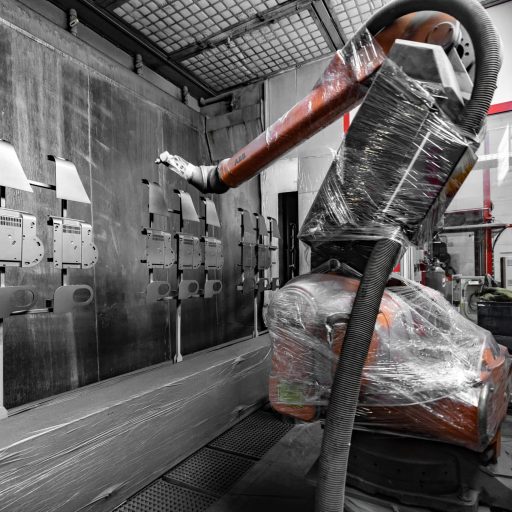
The right decision regarding production technology is best made before tool manufacturing. At OKULA, we support our customers with part design validation (DFM), Moldflow analysis (MFA), and selection of the most suitable production method. This is followed by tool manufacturing, injection molding, surface finishing, and assembly, allowing us to support the entire project from design to serial production.