From Tool Design to Final Appearance: Manufacturing of the MUM6 Kitchen Machine for Bosch
OKULA has long been involved in the production of plastic components for home appliances – coffee machines, blenders, or kitchen machines, including higher-end product lines. In these cases, it is not only about functionality, but also about design. Both the construction and the final finish must meet these requirements.
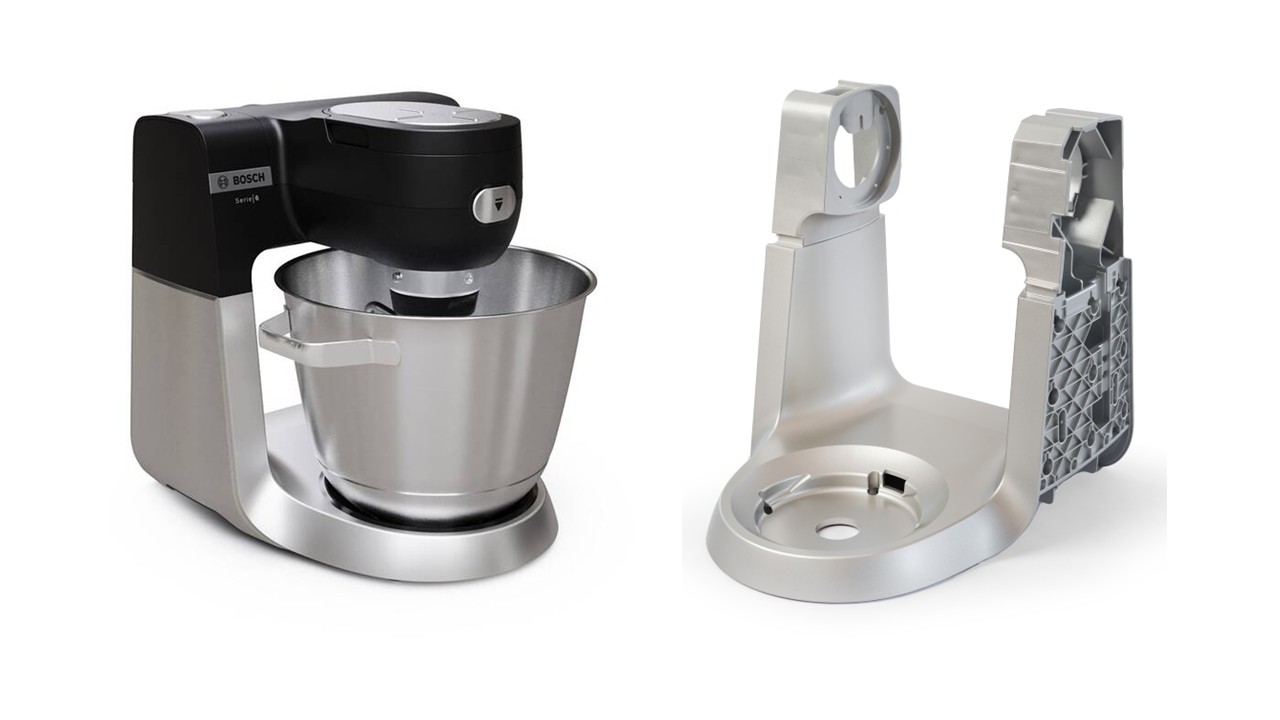
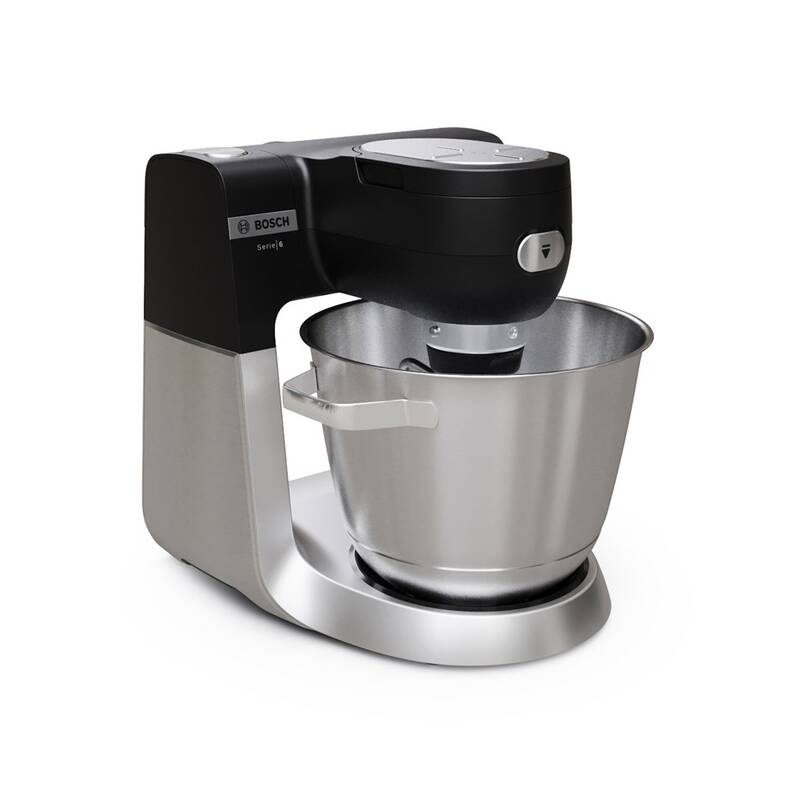
One such product is the MUM6 kitchen machine from Bosch, awarded for its quality and design with the prestigious Red Dot Award and iF Design Award 2024.
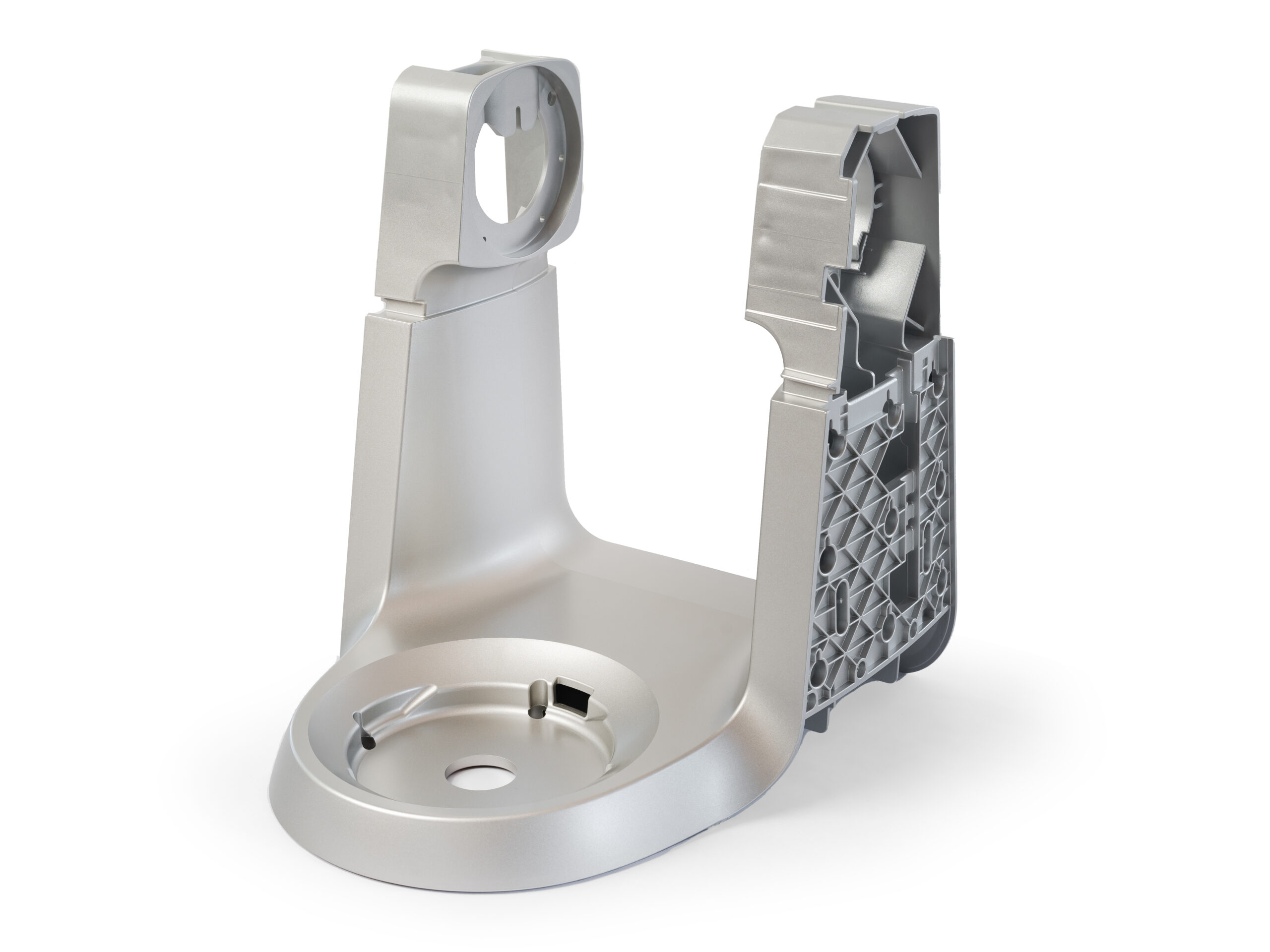
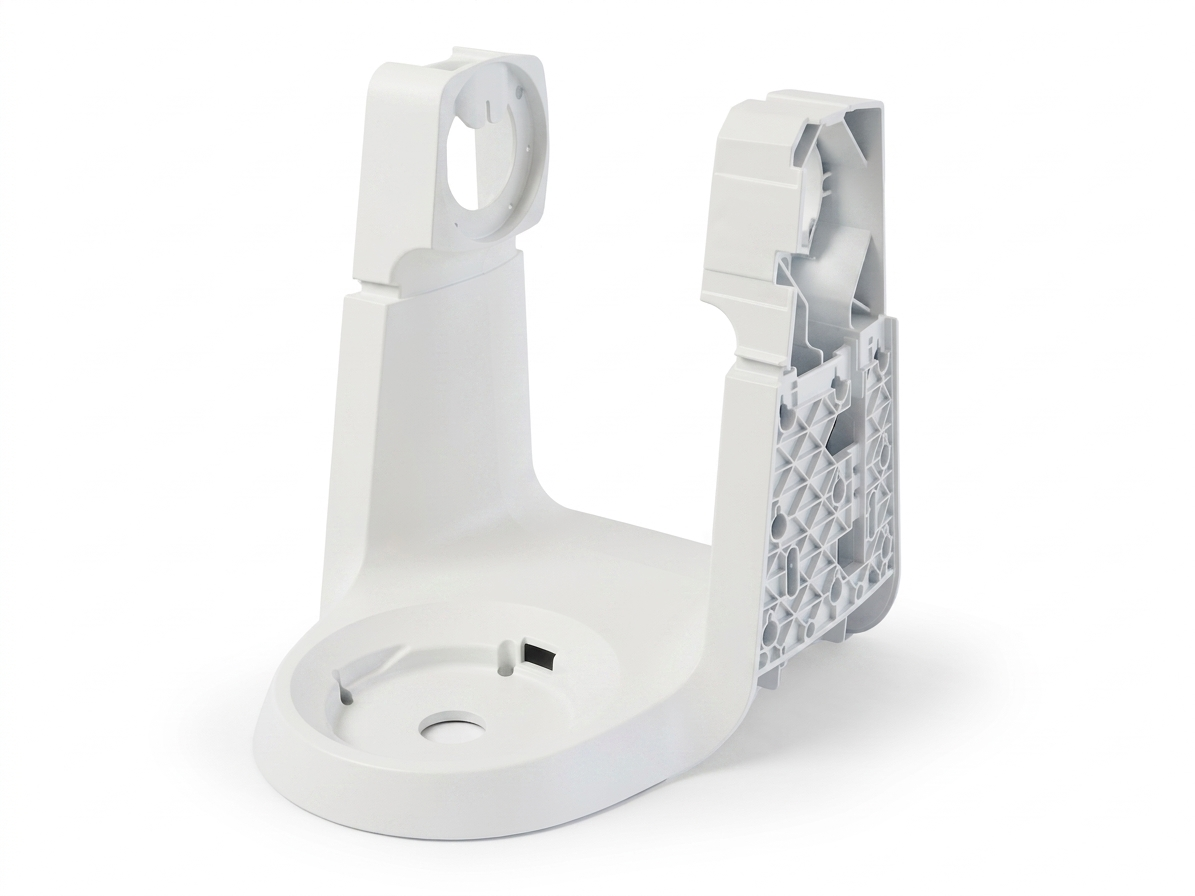
Within this project, our main task was the production of the plastic housing. This is a structurally robust part with details that place high demands on manufacturing precision and surface quality.
Cooperation from the Tool Design Stage
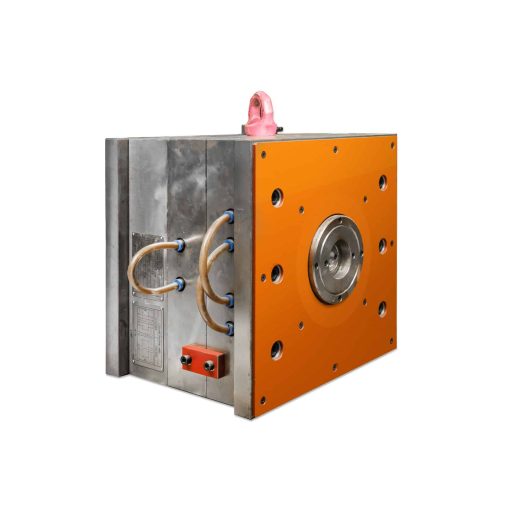
We entered this project already at the stage of injection mold design.
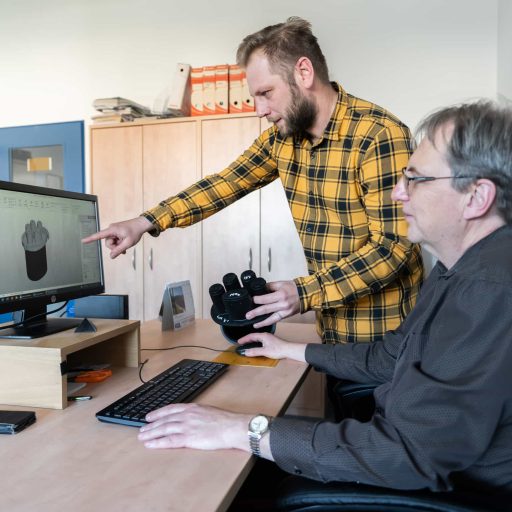
We cooperated directly with the customer on its development. OKULA experts contributed to the final design solution and brought manufacturing experience into the design – especially from the perspective of DFM (Design for Manufacturing) and Moldflow analysis.
The actual production of the mold was ensured by our partner supplier in Austria. The entire process – from design to mold manufacturing – therefore took place within Central Europe, simplifying logistics and overall production coordination.
Production of a Complex Plastic Part
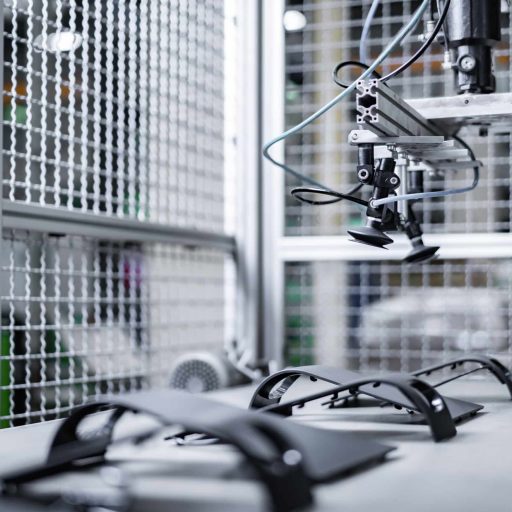
Once the mold was completed, we took over the production of plastic parts.
The main body of the MUM6 machine is among the more demanding components in terms of size and construction:
- it is a robust part,
- with a large number of details,
- which must be manufactured precisely while remaining visually flawless.
These parts combine requirements for mechanical functionality with high demands on final appearance. This places increased requirements not only on injection molding itself, but also on the stability of the entire production process.
Painting as Part of the Final Impression
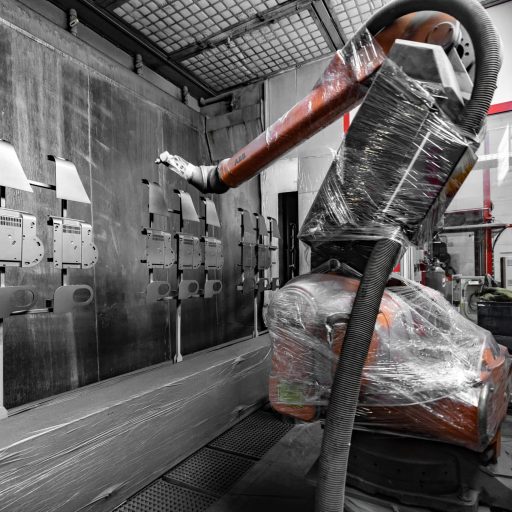
The project did not only include production of the plastic part itself, but also its painting (the product is manufactured in two versions, painted and unpainted).
The selection of the final shade was carried out in cooperation with the customer. Our team managed to organize a meeting where the customer selected the color directly at the paint supplier based on physical samples. The final solution therefore did not rely solely on catalog colors, but on a specific requirement for the appearance of the final product.
After approval of the color, we ensured its application within serial production.
For design-oriented appliances, painting is one of the key steps. Any imperfection is immediately visible, and therefore requires:
- a stable process,
- precise adherence to parameters,
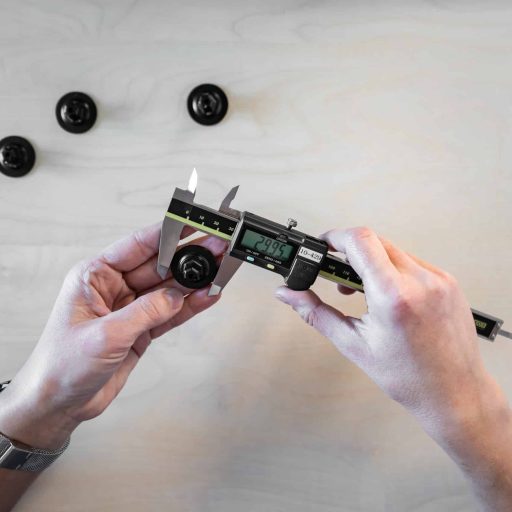
- and quality control at every stage of production.
Result: A Functional Part That Also Works as a Design Element
The MUM6 kitchen machine belongs to Bosch’s higher product line, where emphasis is placed not only on function, but also on appearance.
This is confirmed by the awards the product has received – the Red Dot Design Award 2024 and the iF Design Award.
For OKULA, this project meant the integration of several key areas:
- cooperation on tool design,
- ensuring its production within the European supply chain,
- stable serial production of plastic parts,
- and final painting according to the customer’s design requirements.
The project has been running since 2023 and after three years of cooperation we have already produced tens of thousands of plastic parts for this kitchen machine.
From Manufacturing to Partnership
The MUM6 project confirms that for more complex products, a plastic parts supplier no longer addresses manufacturing alone. What is essential is the ability to engage already in the design phase, assist with production optimization, coordinate subsequent processes, and maintain long-term stable quality of serial production.
This is where we see the greatest value of long-term cooperation today – being a partner who understands not only the production of plastic parts itself, but the entire process of creating the final product.