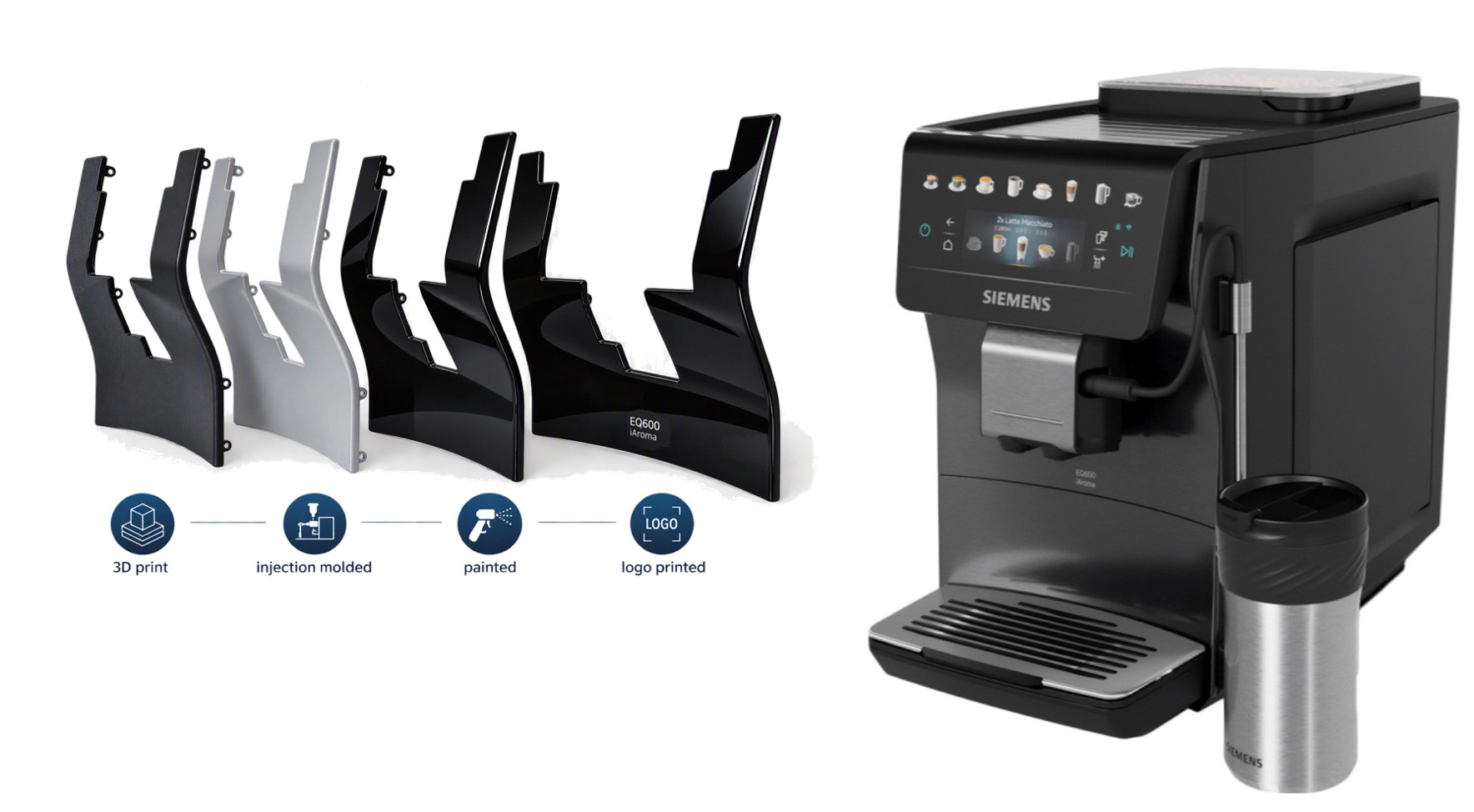
Coating development and production of a visible plastic component for the Siemens EQ600 iAroma coffee machine
For products designed to convey a premium feel, details often make the difference. The appearance of the coating, the precision of component fit, and the quality of printing can all significantly influence how the customer perceives the final product.
The Siemens EQ600 iAroma coffee machine is a good example. At OKULA, we manufacture one of its visible plastic components and were involved early on in developing its final appearance.
One of the key tasks was to develop and subsequently introduce into series production a special Black Diamond shade with a subtle shimmering effect.
In this case study, we show how the shade was developed, how samples were evaluated, and how the approved solution was transferred into serial production.
A custom shade instead of a standard colour
In more conventional projects, the customer often selects a standardized colour and the coating supplier prepares it according to the required specification.
This project was different. A special coating called Black Diamond was developed specifically for the new coffee machine. Its unique pigmentation creates a subtle shimmering effect, giving the surface greater depth and a premium appearance under different angles of incident light.
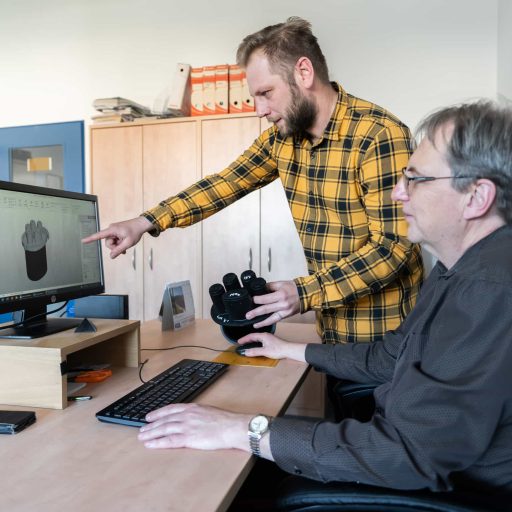
The customer’s designer, OKULA, and a coating supplier in Germany all participated in finding the right shade. Physical samples were compared during joint evaluations, and the coating was gradually refined until it matched the intended design.
From sample to the actual plastic component
Mixing the coating was only the beginning.
The colour had to be tested directly on the plastic component, as this is where its actual visual effect becomes clear. Several versions were therefore produced during the sampling phase. The customer evaluated them, and the shade was further adjusted based on the feedback received.
This step is particularly important for visible components. The same coating can appear differently on different materials and geometries, while the final result is also influenced by the shape of the component, the quality of the moulded part, and the application process itself.
Only after the final appearance had been approved could the surface treatment be transferred into serial production.
Surface quality starts with injection moulding
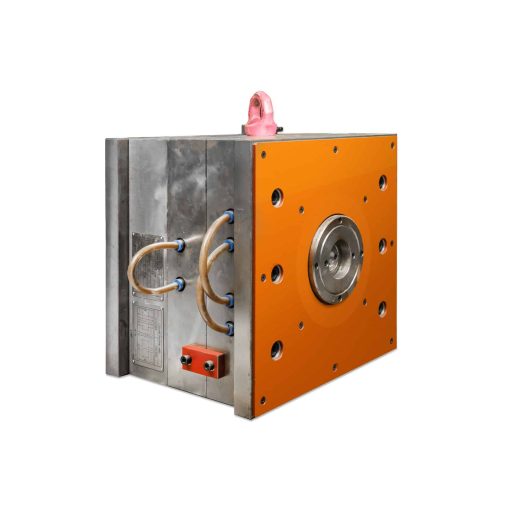
The basis of a successful project is a properly designed and manufactured injection mould. At OKULA, we have long-term relationships with four established tooling suppliers whose know-how also enables us to handle more demanding projects.
Once the mould is completed, the production process moves into the validation phase. In this case, this stage was particularly important because the component has high aesthetic requirements. The plastic moulding must be free from visual defects, as any imperfections could become even more noticeable after coating.
Coating in the Black Diamond shade
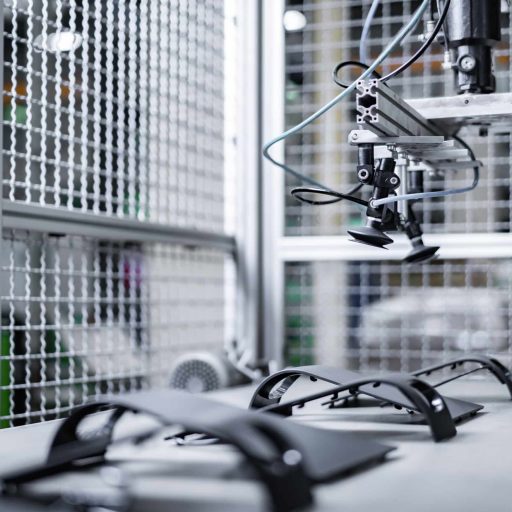
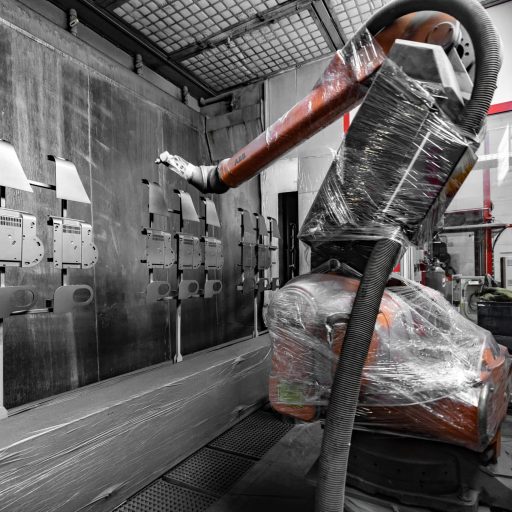
The component is coated in the Black Diamond shade using a single-layer, water-based 2K coating with a hardener. This system provides a high-quality, durable surface while also helping to reduce emissions of volatile organic compounds (VOCs).
Project preparation also included the design and manufacture of coating racks, testing different application parameters, and close cooperation between OKULA, the customer, and the coating supplier. Together, we fine-tuned not only the application process but also the final coating formulation and visual effect to meet demanding requirements for appearance, durability, and long-term repeatability in serial production.
Pad printing completes the final appearance
Once the coating process has been approved, the EQ600 iAroma marking is applied by pad printing, completing the final appearance of the component.
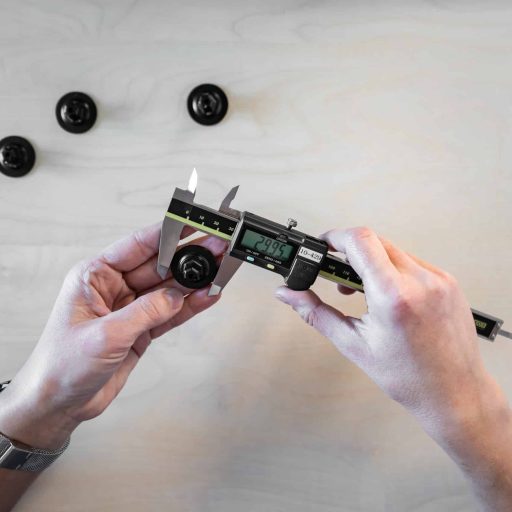
The quality, durability, and positioning accuracy of the print also need to be verified to ensure that it meets the customer’s high standards.
Packaging must protect the finished surface
The final, and often underestimated, step is the design of the transport packaging.
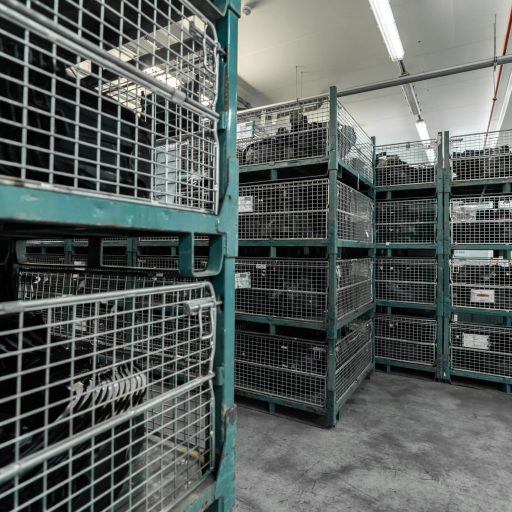
Decorative coated components may travel long distances before reaching the customer and are sensitive to surface damage. The packaging must therefore strike the right balance between cost efficiency and maximum protection during transport and handling.
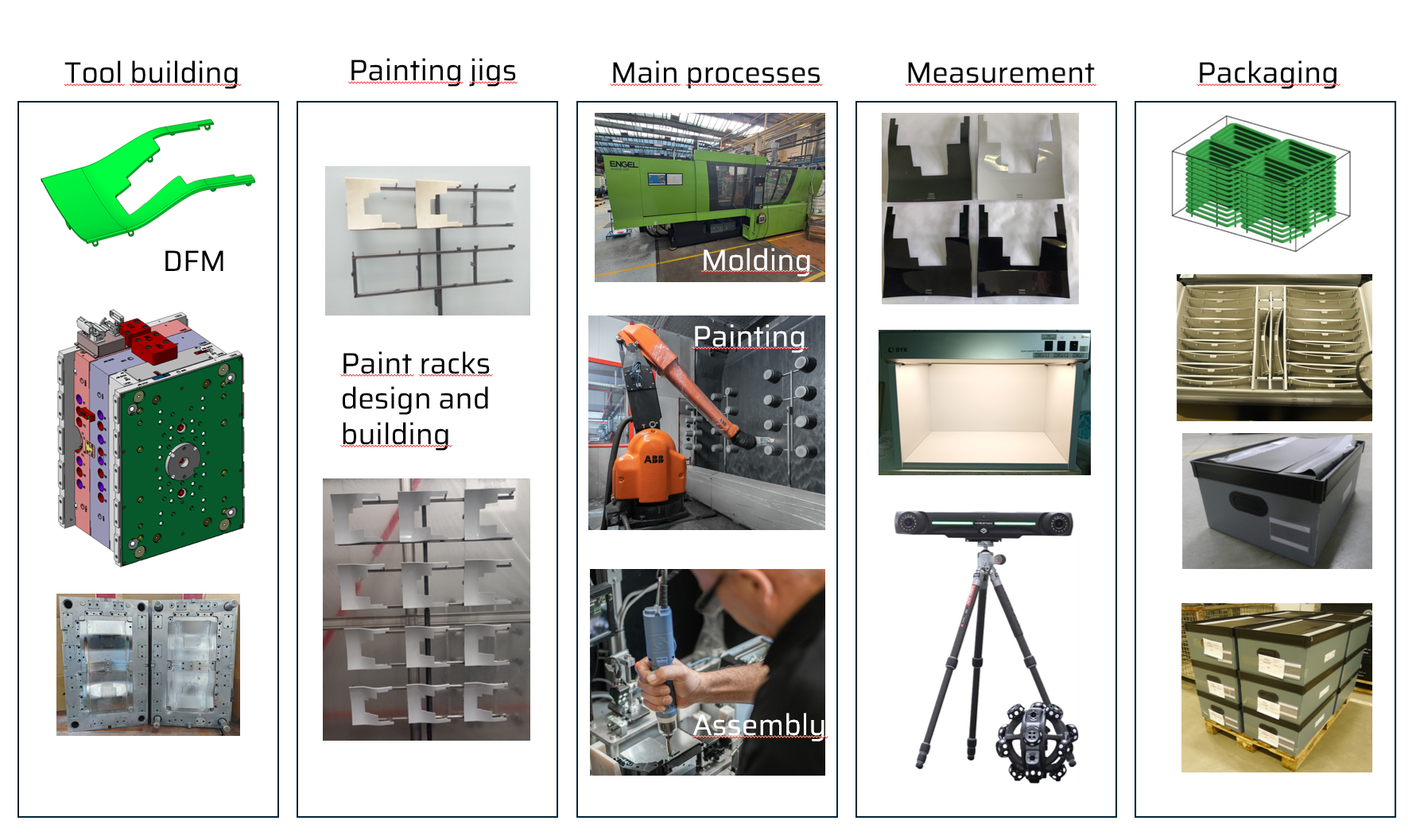
The final component is therefore not just the result of plastic injection molding, but of a broader process that includes tool development, coating optimization, print validation, and the design of a reliable logistics solution. Combining these steps helps ensure consistent quality, an attractive appearance, and the durability required for everyday use.